


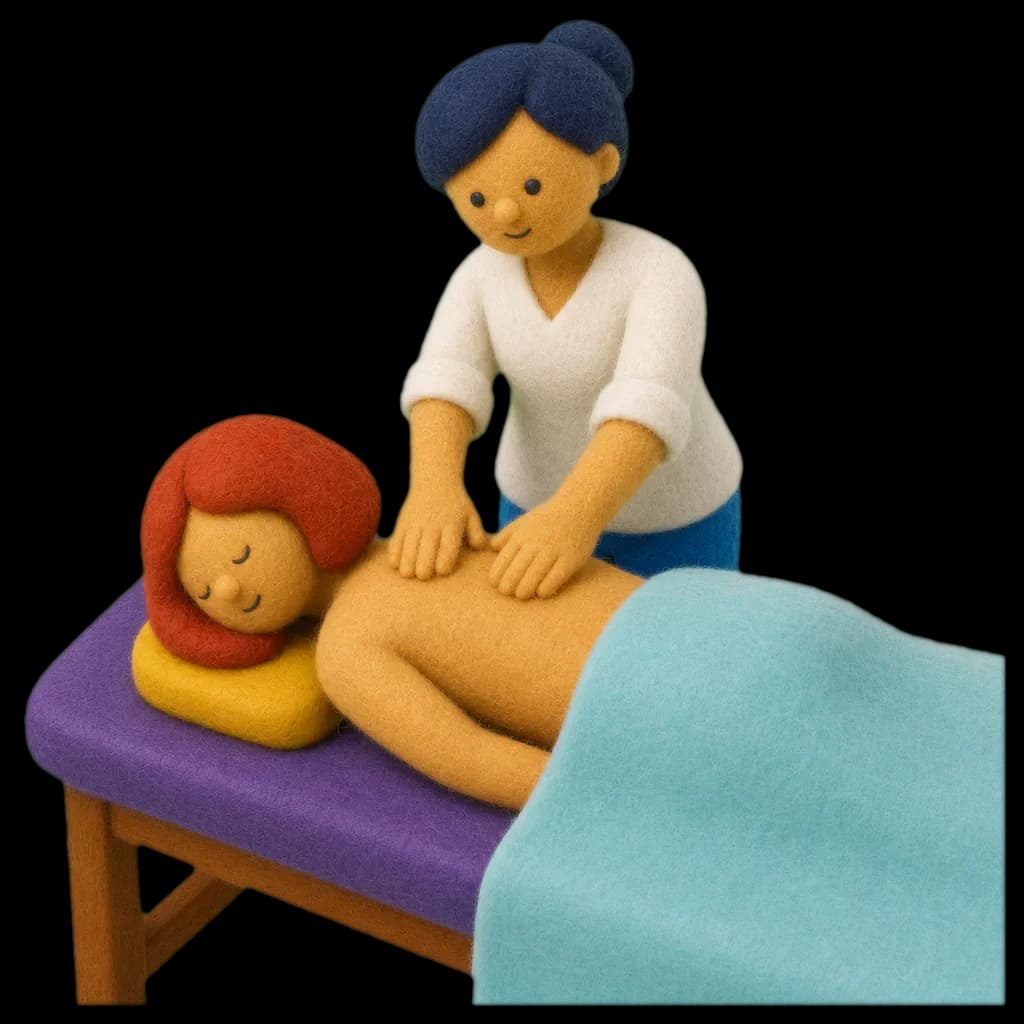
Massage (Registered)

- Digestive health support through nutrition and lifestyle counselling.
- Hormone and menstrual health assessment and support.
- Fatigue and stress support with prevention-focused care.
- Lab review and supplement planning for wellness.
- Botanical medicine and acupuncture for overall balance.

Please contact the clinic directly to book as we require you to be at least 12 weeks along and provide a doctor’s note clearing you for massage. Prenatal Massage is a gentle massage that uses Massage …
New PatientRegisteredPre-natalRelaxation
Loading...
New PatientRegisteredGeneralMyofascial ReleaseRelaxation

- Deep tissue work for neck, shoulders, and lower back.
- Slow, deliberate pressure for chronically tense muscles.
- Manual techniques to release adhesions and scar tissue.
- Targeted therapy for pain and restricted movement.
- Deep muscle and connective tissue tension relief.
Please contact the clinic directly to book as we require you to be at least 12 weeks along and provide a doctor’s note clearing you for massage. Prenatal Massage is a gentle massage that uses Massage …
New PatientRegisteredPre-natalRelaxation
Loading...
New PatientRegisteredGeneralRelaxation
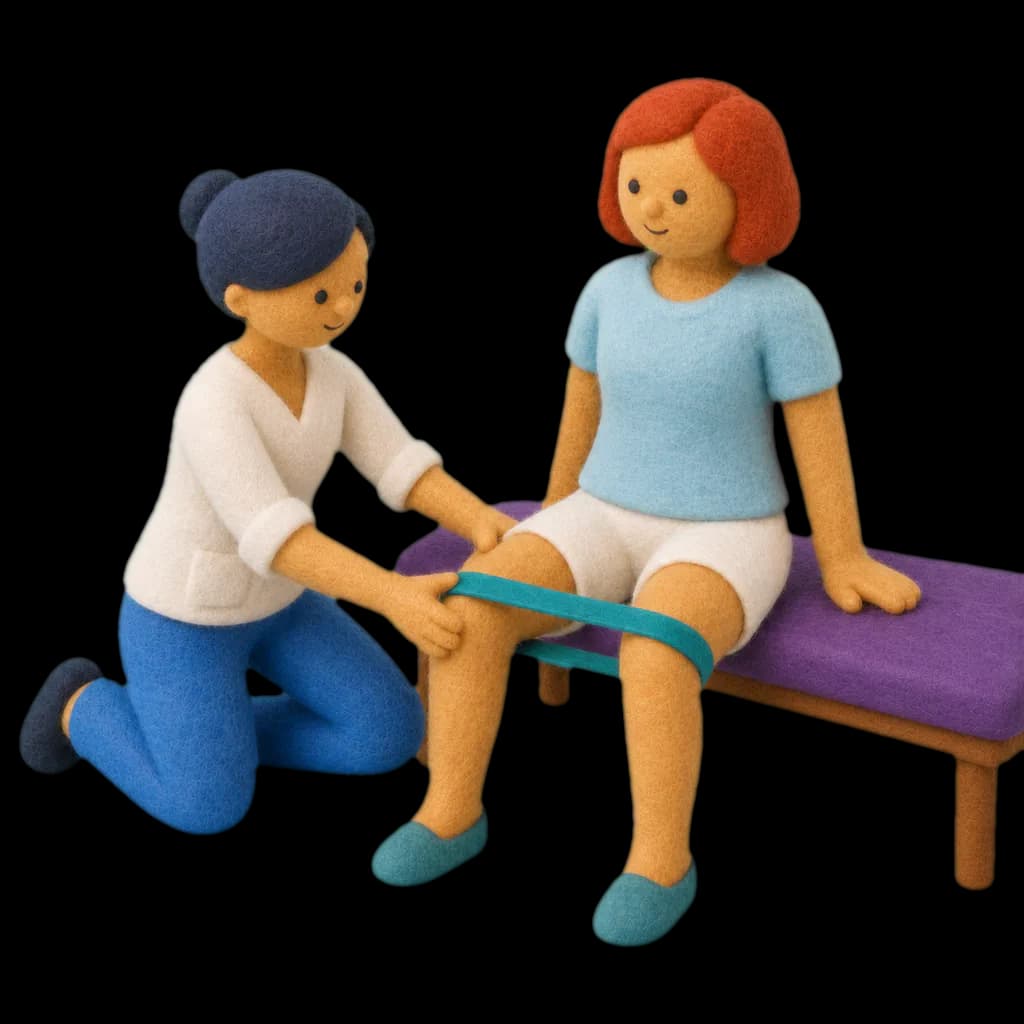
Physiotherapy

New PatientGeneral
Loading...
New PatientGeneral
Loading...
New PatientPelvic

Maximum units - 5 session
New PatientPelvic
Loading...
New PatientGeneral