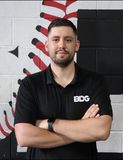
Dr. Ryan Faubert
- Athlete performance and longevity through chiropractic.
- Proactive injury prevention for athletes.
- Chiropractic care for musculoskeletal health.
- Optimizing movement and joint function.
- Addressing chronic shoulder injuries through chiropractic.
This summary is for informational purposes only and may not be accurate.

BDG Athletic Performance Clinic
31 Progress Ave Unit 17, Toronto, ON, M1P 4S6
While growing up in Sudbury, Ontario, Ryan was an avid athlete on all fronts, trying various sports whenever he had the chance. He eventually found his way into baseball as a pitcher. From a small town to college baseball in California and British Columbia, Ryan’s baseball career took him to many places. Unfortunately, in 2016, after dealing with chronic shoulder injuries, he had to hang up his cleats. Ryan always wondered what he could have done to prevent this. How could he have increased his longevity as a pitcher and athlete? Over the last 8 years, he has been coaching baseball players of all ages, filling roles such as Director of Performance/Pitching coach at The Baseball Academy and strength & conditioning coordinator at the Baseball Development Group. Throughout this time, Ryan earned a Bachelor of Science with a major in Kinesiology from Laurentian University and Doctor of Chiropractic. He also completed certifications as a Functional Mobility Specialist, Arm Care Specialist, and a Certified Strength and Conditioning Specialist (CSCS). When he’s not in the office, He’s in the kitchen cooking up a storm, doing yoga, running, playing soccer or just catching up with friends and family. Ryan is passionate about training the next generation of athletes to optimize their short window of opportunity to get to the next level and increase longevity by being proactive in injury prevention.
The chiropractic initial assessment starts with a detailed patient history, including personal details, chief complaints, medical and family history, previous treatments, current medications, and allergies. A physical examination follows, assessing posture, range of motion, nerve function, and areas of tenderness. Based on these findings, a diagnosis is made. A tailored treatment plan is developed, involving chiropractic adjustments, soft tissue therapy, rehabilitation exercises, and a follow-up schedule to monitor progress.