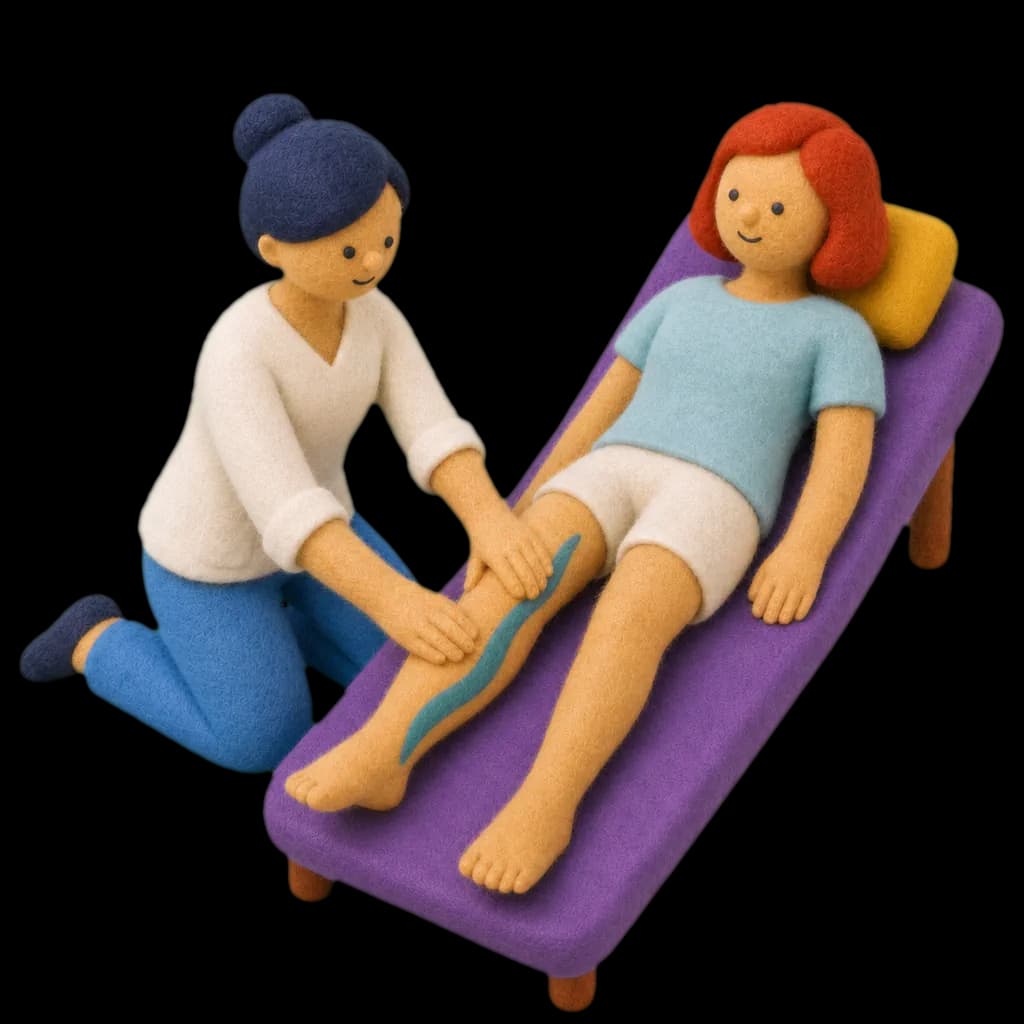
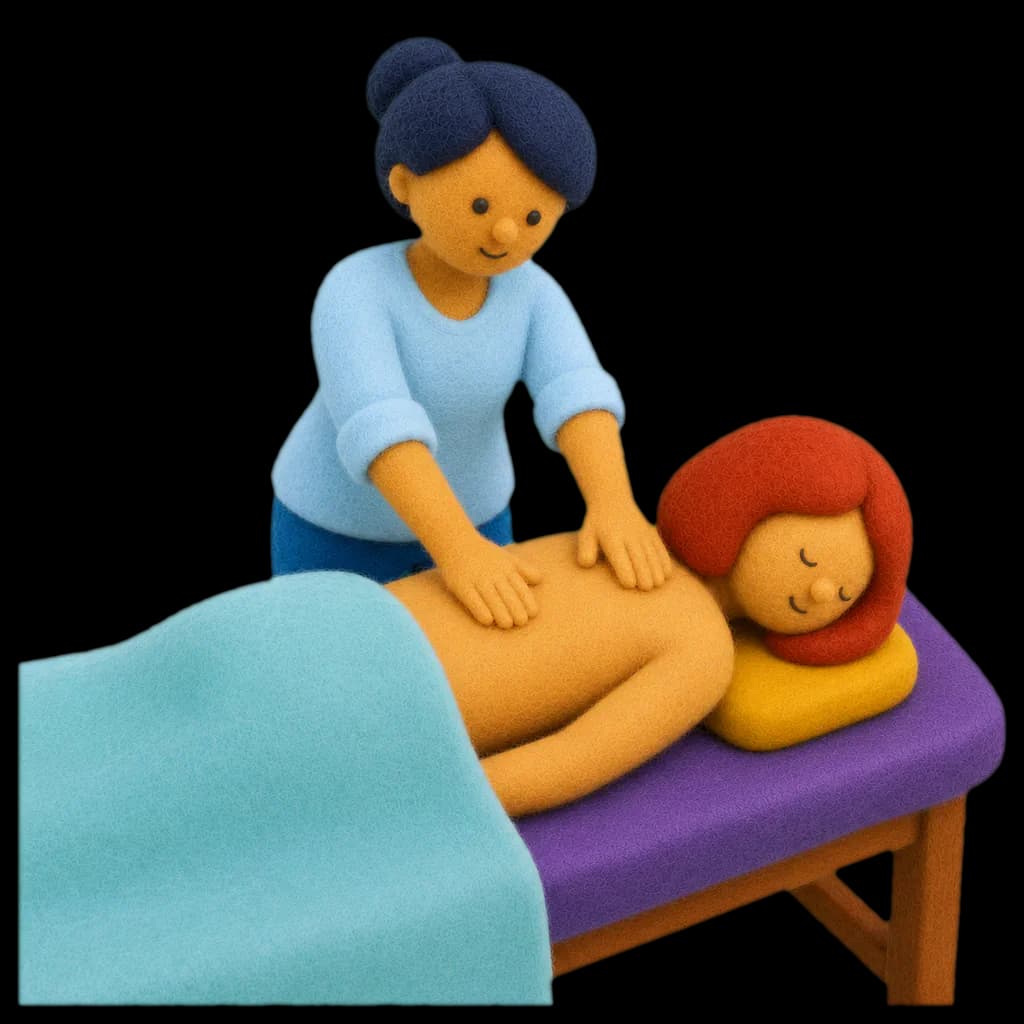
Massage


- Pain relief for acute and chronic musculoskeletal conditions.
- Reduction of muscle tension and trigger point release.
- Therapeutic soft tissue mobilization for injury recovery.
- Relaxation and stress-reduction massage techniques.
- Range-of-motion improvement and joint mobility work.


- Fascia Stretch Therapy for improved tissue mobility and alignment.
- Pain relief for chronic pain through connective tissue work.
- Guided assisted stretching with breath work and movement.
- Mobility restoration for restricted range of motion.
- Athlete-focused recovery and tension release through FST.
Jodi recently trained at the Stretch to Win Institute in Fascia Stretch Therapy. She knew she wanted to learn this form of therapy after her own personal experience. It left her body feeling great, an…

- Pain relief for acute and chronic musculoskeletal conditions.
- Reduction of muscle tension and trigger point release.
- Soft tissue mobilization for improved mobility and function.
- Injury recovery and postural dysfunction management.
- Therapeutic relaxation and stress-relief massage.
**Kelly Davis is currently not taking new patients. Please only book this if you are a current patient of Kelly**

- Soft tissue pain relief and dysfunction assessment.
- Joint mobility support through manual techniques.
- Musculoskeletal assessment for injury and pain management.
- Manual therapy for rehabilitation and prevention.
- Treatment of physical dysfunction using mobilization methods.


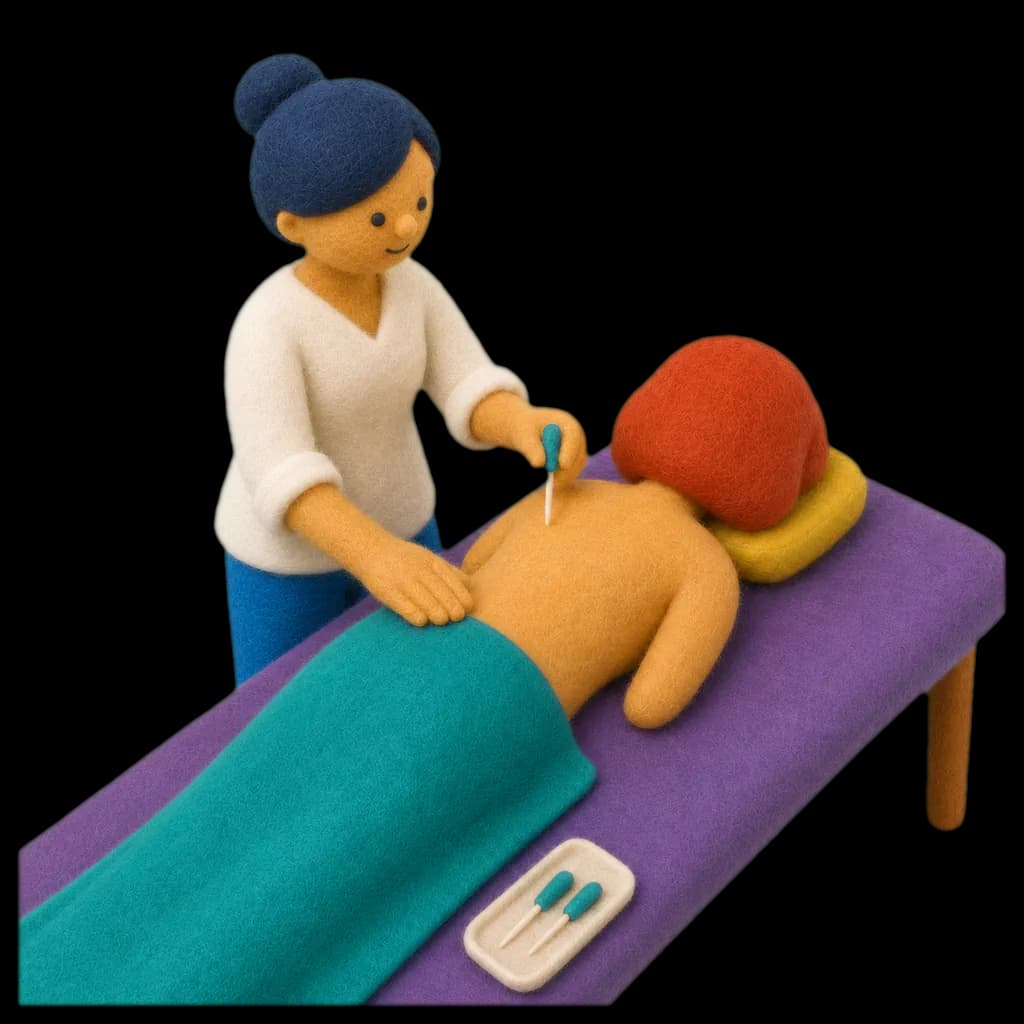
Acupuncture

Does not include chiropractic adjustment, acupuncture treatment only

Does not include chiropractic adjustment, acupuncture treatment only

- Pain relief for chronic and acute musculoskeletal conditions.
- Reduction of muscle tension and trigger point release.
- Treatment for stress, anxiety, and sleep disturbances.
- Support for sports injuries and post-injury recovery.
- Improvement of circulation and inflammatory reduction through acupuncture.

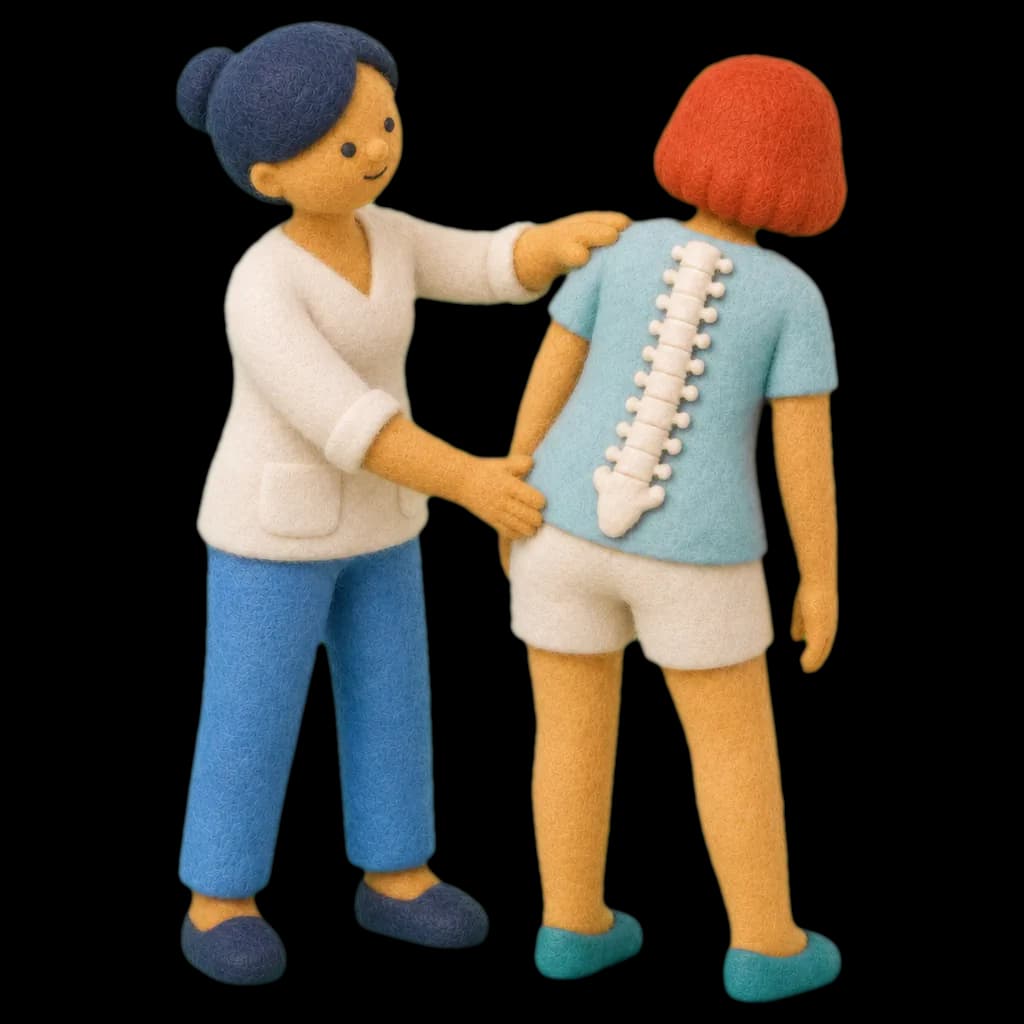
Chiropractic
- Manual spinal adjustments for back and neck pain relief.
- Instrument-assisted soft tissue therapies for muscle tension.
- Webster technique for pregnancy-related pelvic alignment.
- Pediatric chiropractic care for infant and child musculoskeletal issues.
- Contemporary medical acupuncture adjunct to chiropractic treatments.
**Therapeutic Ultrasound or IFC (available only as part of an active chiropractic care plan)** Therapeutic ultrasound is a treatment modality that uses high-frequency sound waves to: Promote tissue he…
- Spinal adjustments for pain relief and mobility restoration.
- Manual therapy for muscle tension and soft-tissue dysfunction.
- Joint mobilization to improve range of motion and function.
- Rehabilitative exercises supporting injury recovery and movement.
- Care for sports- and dance-related musculoskeletal injuries.
**This option can be booked for existing Chiropractic patients if require more time to do things such as Ultrasound, Interferential Current Therapy(IFC), laser therapy.