Clinic
Jacksonport Sports Physiotherapy
Massage
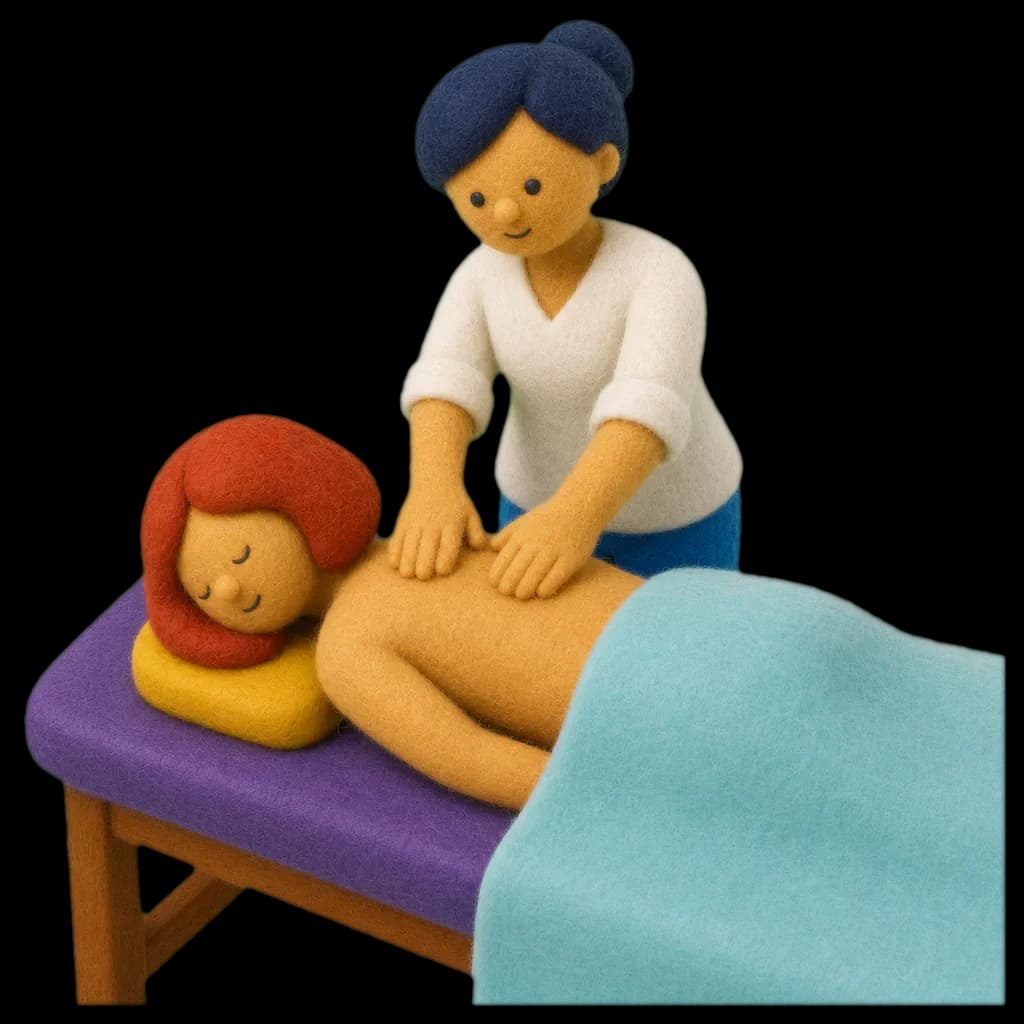
A 60-minute massage therapy session including cupping/hot stones - A massage therapy session that incorporates cupping therapy or hot stone therapy combines traditional massage techniques with the added benefits of heat therapy and suction, designed to improve circulation, reduce muscle tension, and promote relaxation. This type of session provides a holistic treatment experience, targeting a variety of physical and emotional issues while offering deep relaxation.
- Soft tissue assessment for muscles, tendons, ligaments, fascia.
- Hands-on massage for pain relief and relaxation.
- Manual treatment supporting injury recovery and rehabilitation.
- Gentle to deeper pressure techniques tailored individually.

This summary is for informational purposes only and may not be accurate.
A 60-minute massage therapy session including cupping/hot stones - A massage therapy session that incorporates cupping therapy or hot stone therapy combines traditional massage techniques with the added benefits of heat therapy and suction, designed to improve circulation, reduce muscle tension, and promote relaxation. This type of session provides a holistic treatment experience, targeting a variety of physical and emotional issues while offering deep relaxation.
- Soft tissue manipulation for muscles, tendons, ligaments, fascia.
- Pain relief and injury recovery through hands-on massage.
- Relaxation and stress reduction with calming massage.
- Gentle strokes or deeper pressure based on needs.
This summary is for informational purposes only and may not be accurate.
A 60-minute massage therapy session including cupping/hot stones - A massage therapy session that incorporates cupping therapy or hot stone therapy combines traditional massage techniques with the added benefits of heat therapy and suction, designed to improve circulation, reduce muscle tension, and promote relaxation. This type of session provides a holistic treatment experience, targeting a variety of physical and emotional issues while offering deep relaxation.
- Soft tissue manipulation for muscle, tendon, and fascia relief.
- Manual techniques for pain relief and injury recovery.
- Gentle to deeper pressure for individualized treatment needs.
- Hands-on massage to support mobility and dysfunction prevention.
This summary is for informational purposes only and may not be accurate.
Acupuncture
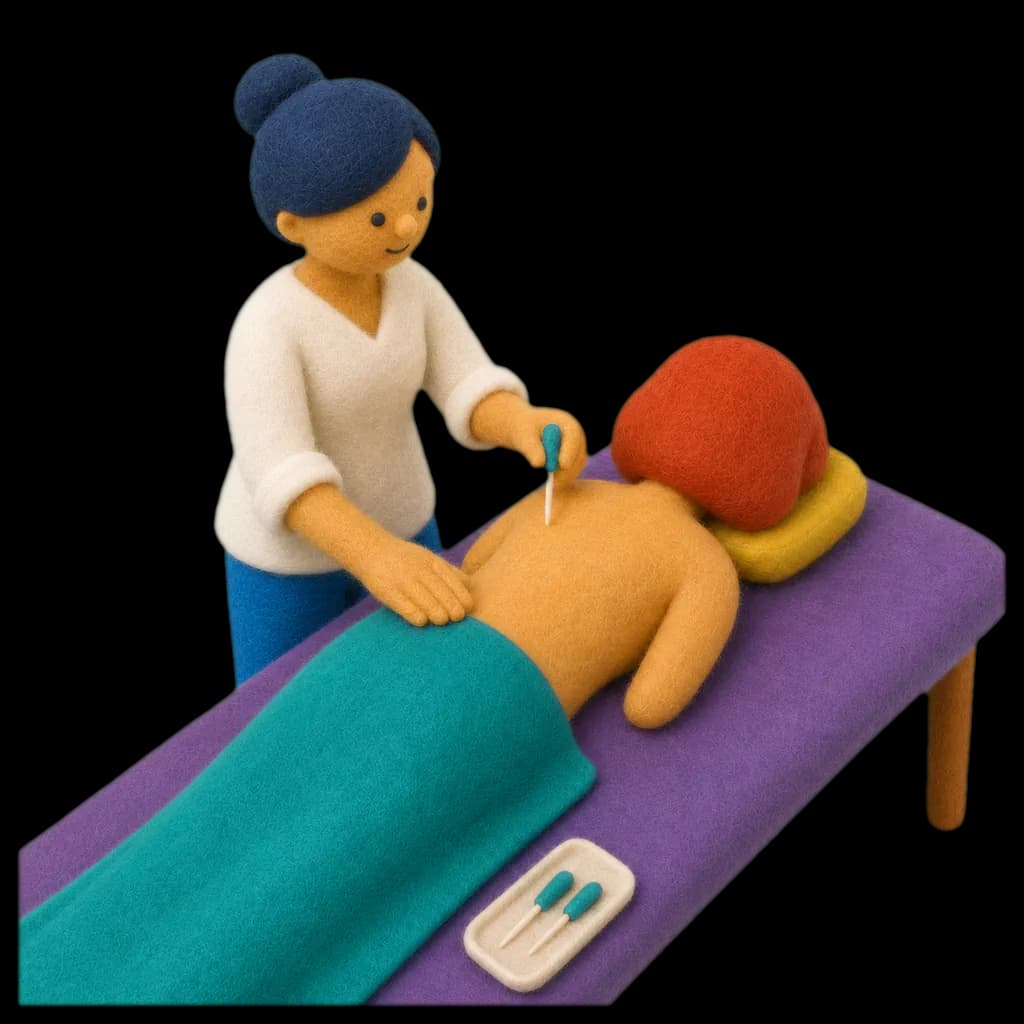
Acupuncture is a traditional Chinese medicine (TCM) technique used to promote healing, alleviate pain, and improve overall wellness by stimulating specific points on the body using thin, sterile needles. An Acupuncture Treatment with an acupuncturist typically involves a combination of diagnostic evaluation and therapeutic needle insertion. This treatment can be used for a wide range of conditions, including pain management, stress relief, muscle tension, digestive issues, and more. Please be sure to wear loose clothing for your appointment. Reschedule your appointment if excessively fatigued, hungry or bloated.
- Initial assessments reviewing history, symptoms, and health goals.
- Personalized treatment plans guided by TCM principles.
- Symptom-focused care tailored to individual presentations.
- Whole-person evaluation through Traditional Chinese Medicine principles.
This summary is for informational purposes only and may not be accurate.
Chiropractic
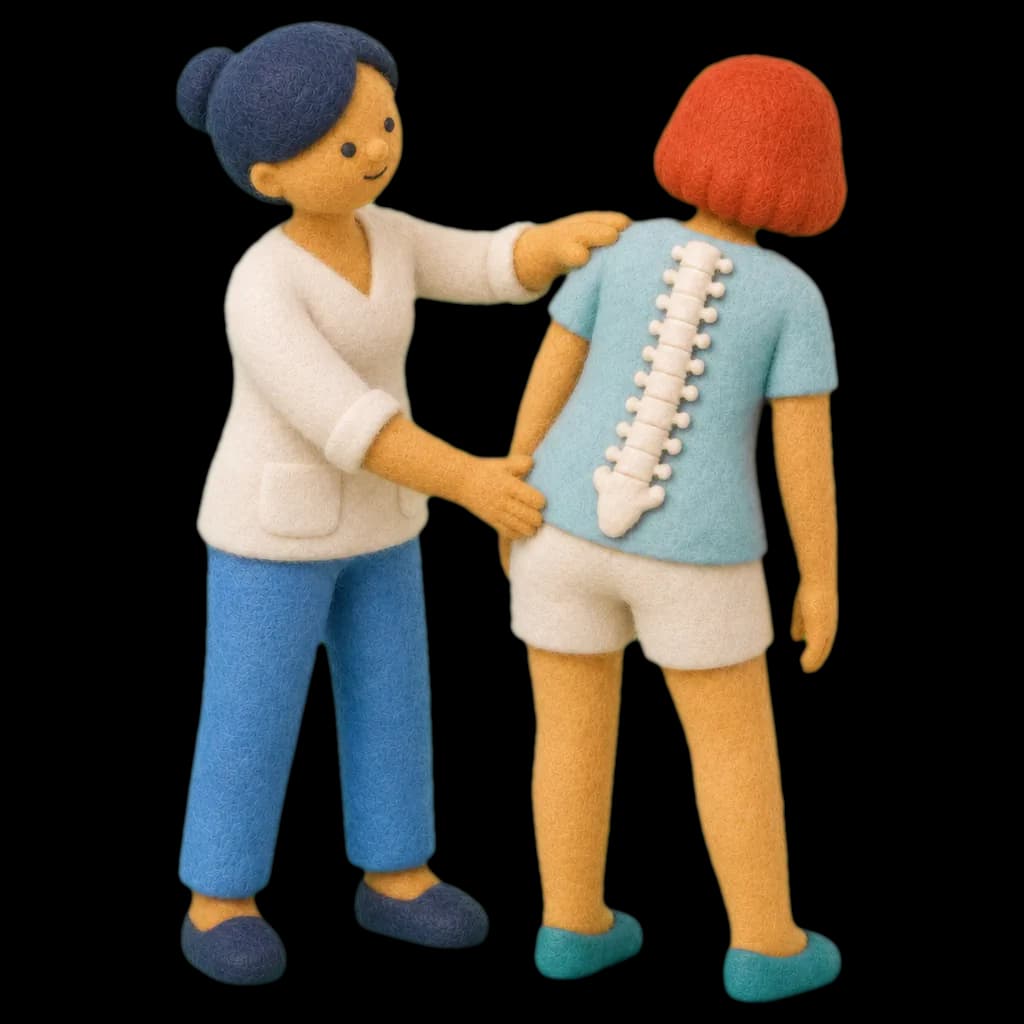
- Initial chiropractic assessments for new patients and injuries.
- Follow-up chiropractic care for ongoing treatment plans.
- Therapeutic laser treatment for musculoskeletal pain relief.
- Chiropractic care for motor vehicle accident injuries.
- Whiplash-associated disorder treatment and non-protocol assessments.
This summary is for informational purposes only and may not be accurate.
- Chiropractic initial assessments for new patient evaluations.
- Chiropractic therapeutic laser treatment for pain management.
- Motor vehicle accident chiropractic care for whiplash.
- Non-protocol MVA assessments and individualized chiropractic care.
This summary is for informational purposes only and may not be accurate.
Kinesiology
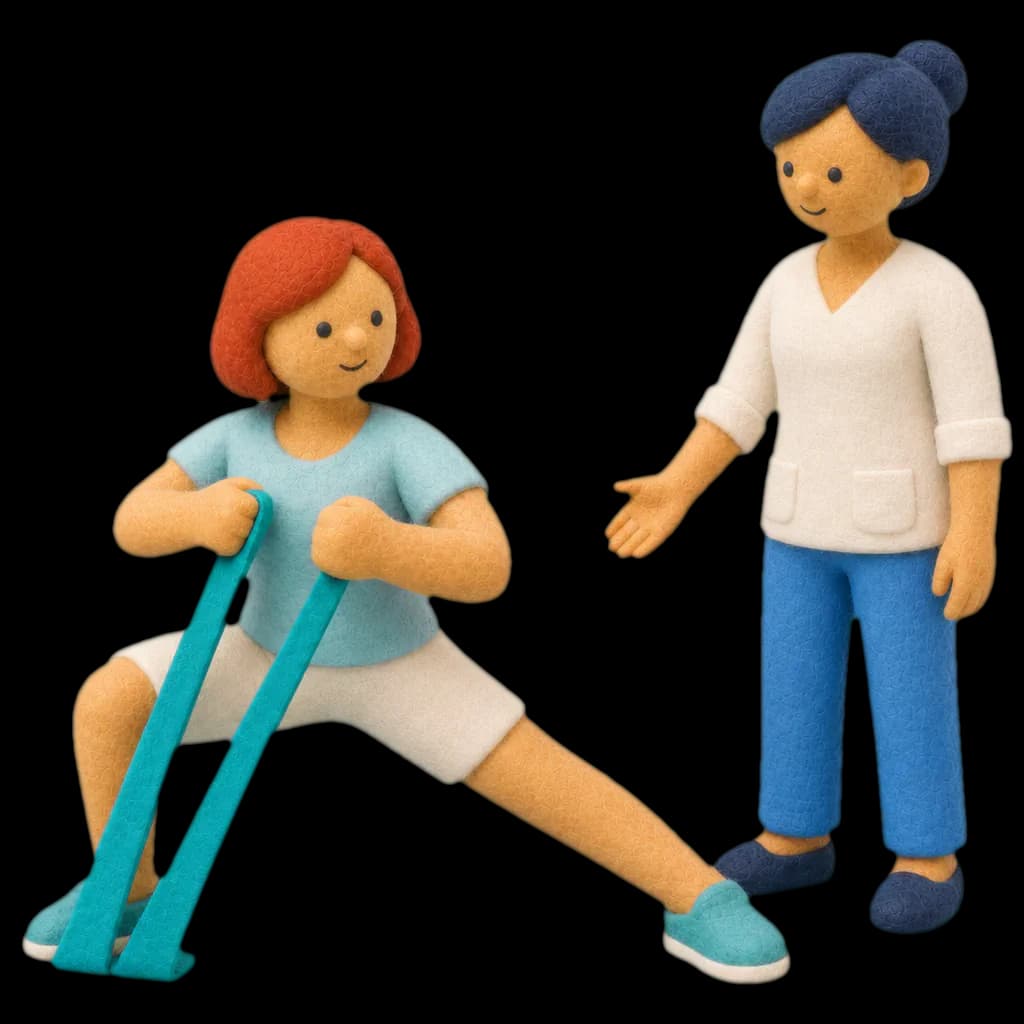
Kinesiology treatment sessions focus on improving movement, strength, coordination, and overall physical function through guided exercise and therapeutic movement strategies. Your kinesiologist will design a personalized program based on your goals, injury history, and current physical abilities. Treatment may include corrective exercises, functional movement training, strength and conditioning, mobility work, posture education, and injury prevention strategies. Sessions are tailored to support recovery, enhance performance, reduce pain, and improve daily movement efficiency in a safe and progressive manner.
- Functional movement assessment for strength, coordination, and mobility.
- Exercise prescription supporting recovery and daily movement efficiency.
- Active rehabilitation using corrective exercises and functional training.
- Injury prevention, posture education, and return-to-activity planning.
- Strength and conditioning to enhance physical performance.
This summary is for informational purposes only and may not be accurate.
Physiotherapy
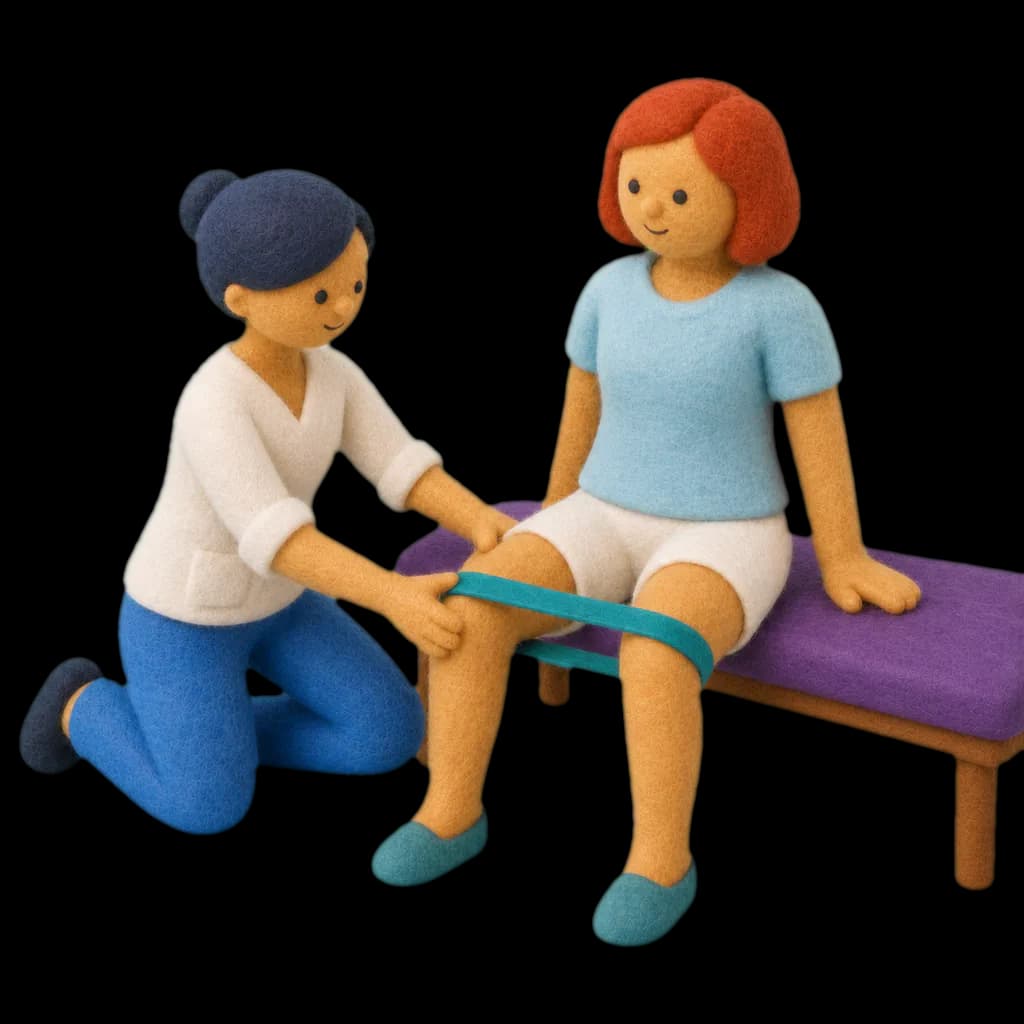
The Temporomandibular Joint (TMJ) Physiotherapy Follow-up Treatment is a continuation of the care plan designed to address symptoms of TMJ dysfunction (TMD) that were identified during the initial assessment. This phase of treatment typically focuses on further reducing pain, improving jaw mobility, and correcting any underlying causes contributing to the dysfunction, such as muscle tension, poor posture, or joint misalignment. Follow-up sessions may also focus on enhancing the patient’s self-management strategies, helping them manage their symptoms between appointments.
- Comprehensive physiotherapy assessments for physical condition and history.
- One-on-one focused movement and function evaluations.
- Personalized treatment planning for individual rehabilitation needs.
- Tailored approaches to identify movement-related issues.
This summary is for informational purposes only and may not be accurate.
The Temporomandibular Joint (TMJ) Physiotherapy Follow-up Treatment is a continuation of the care plan designed to address symptoms of TMJ dysfunction (TMD) that were identified during the initial assessment. This phase of treatment typically focuses on further reducing pain, improving jaw mobility, and correcting any underlying causes contributing to the dysfunction, such as muscle tension, poor posture, or joint misalignment. Follow-up sessions may also focus on enhancing the patient’s self-management strategies, helping them manage their symptoms between appointments.
- Comprehensive one-on-one physiotherapy assessments and evaluations.
- Movement and functional ability evaluations for daily tasks.
- Personalized treatment planning for mobility and recovery.
- Tailored rehabilitation to restore movement and function.
This summary is for informational purposes only and may not be accurate.
The Temporomandibular Joint (TMJ) Physiotherapy Follow-up Treatment is a continuation of the care plan designed to address symptoms of TMJ dysfunction (TMD) that were identified during the initial assessment. This phase of treatment typically focuses on further reducing pain, improving jaw mobility, and correcting any underlying causes contributing to the dysfunction, such as muscle tension, poor posture, or joint misalignment. Follow-up sessions may also focus on enhancing the patient’s self-management strategies, helping them manage their symptoms between appointments.
- Vestibular rehabilitation for dizziness and balance disorders.
- Concussion management and post-concussion recovery programs.
- Dry needling for myofascial pain and trigger point release.
- Musculoskeletal injury rehabilitation from sport, work, and MVCs.
- Personalized home exercise programs and symptom management.
This summary is for informational purposes only and may not be accurate.
The Temporomandibular Joint (TMJ) Physiotherapy Follow-up Treatment is a continuation of the care plan designed to address symptoms of TMJ dysfunction (TMD) that were identified during the initial assessment. This phase of treatment typically focuses on further reducing pain, improving jaw mobility, and correcting any underlying causes contributing to the dysfunction, such as muscle tension, poor posture, or joint misalignment. Follow-up sessions may also focus on enhancing the patient’s self-management strategies, helping them manage their symptoms between appointments.
- Comprehensive physical assessment and movement evaluation.
- Personalized one-on-one physiotherapy treatment planning and care.
- Functional mobility and movement rehabilitation and restoration.
- Injury recovery and physical condition management.
This summary is for informational purposes only and may not be accurate.
The Temporomandibular Joint (TMJ) Physiotherapy Follow-up Treatment is a continuation of the care plan designed to address symptoms of TMJ dysfunction (TMD) that were identified during the initial assessment. This phase of treatment typically focuses on further reducing pain, improving jaw mobility, and correcting any underlying causes contributing to the dysfunction, such as muscle tension, poor posture, or joint misalignment. Follow-up sessions may also focus on enhancing the patient’s self-management strategies, helping them manage their symptoms between appointments.
- Comprehensive one-on-one physiotherapy assessment for movement and function.
- Personalized treatment planning tailored to physical needs.
- Evaluation of medical history and mobility limitations.
- Rehabilitation focused on restoring functional movement and independence.
This summary is for informational purposes only and may not be accurate.
Lymphatic Drainage
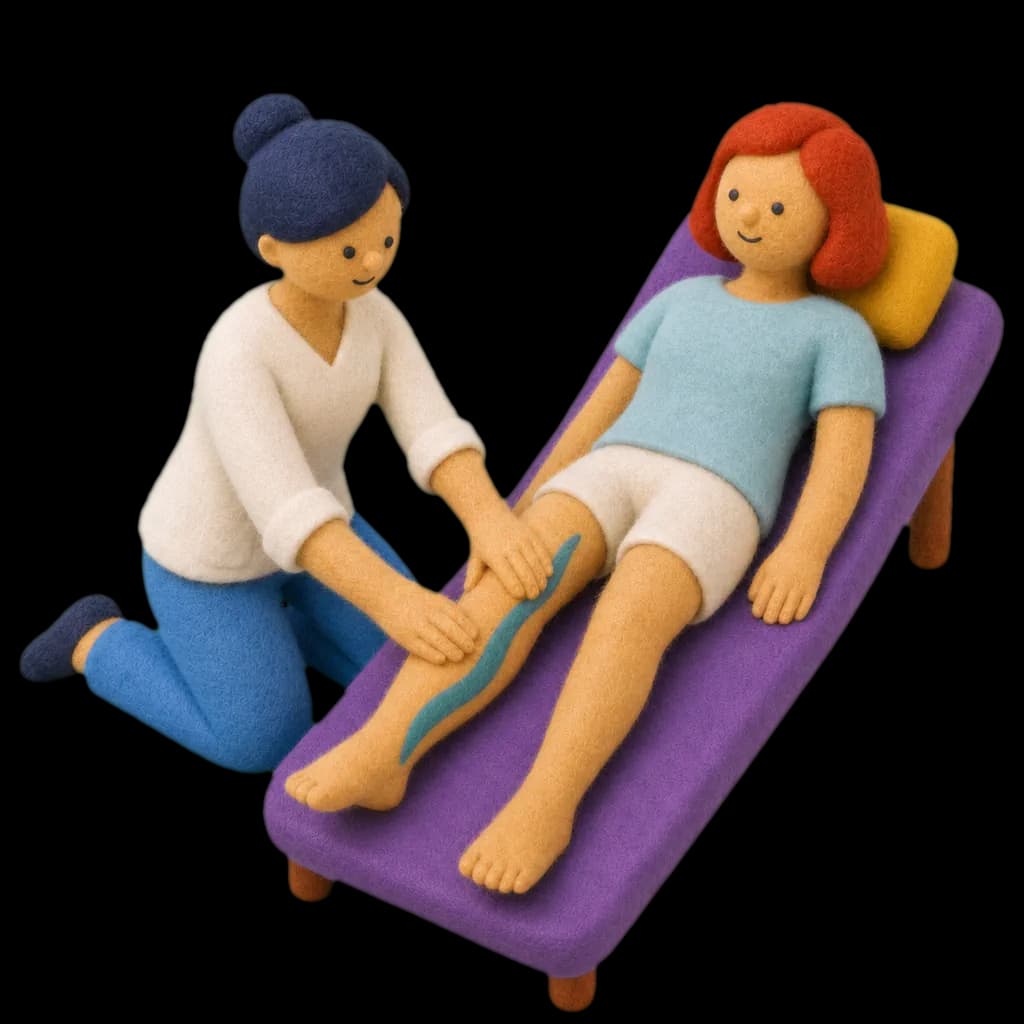
Lymphatic drainage massage (also called Manual Lymphatic Drainage – MLD) is a gentle, rhythmic massage technique designed to stimulate the lymphatic system. It helps move excess fluid, waste, and toxins out of tissues and back into the bloodstream for elimination.
- Manual lymphatic drainage using gentle, rhythmic techniques.
- Supports lymph flow and fluid mobilization.
- Helps move excess fluid from tissues.
- Promotes lymphatic system stimulation for drainage.
This summary is for informational purposes only and may not be accurate.
Lymphatic drainage massage (also called Manual Lymphatic Drainage – MLD) is a gentle, rhythmic massage technique designed to stimulate the lymphatic system. It helps move excess fluid, waste, and toxins out of tissues and back into the bloodstream for elimination.
- Manual lymphatic drainage using gentle, rhythmic massage techniques.
- Lymph flow support through light, rhythmic tissue mobilization.
- Gentle fluid mobilization to move excess tissue fluid.
- Swelling management support by encouraging lymphatic circulation.
This summary is for informational purposes only and may not be accurate.
Lymphatic drainage massage (also called Manual Lymphatic Drainage – MLD) is a gentle, rhythmic massage technique designed to stimulate the lymphatic system. It helps move excess fluid, waste, and toxins out of tissues and back into the bloodstream for elimination.
- Manual lymphatic drainage for gentle lymph flow support.
- Gentle rhythmic massage to move excess fluid.
- Support for fluid mobilization and tissue drainage.
- Rhythmic MLD techniques for lymphatic system stimulation.
This summary is for informational purposes only and may not be accurate.