

Clinic
Sage Health and Wellness


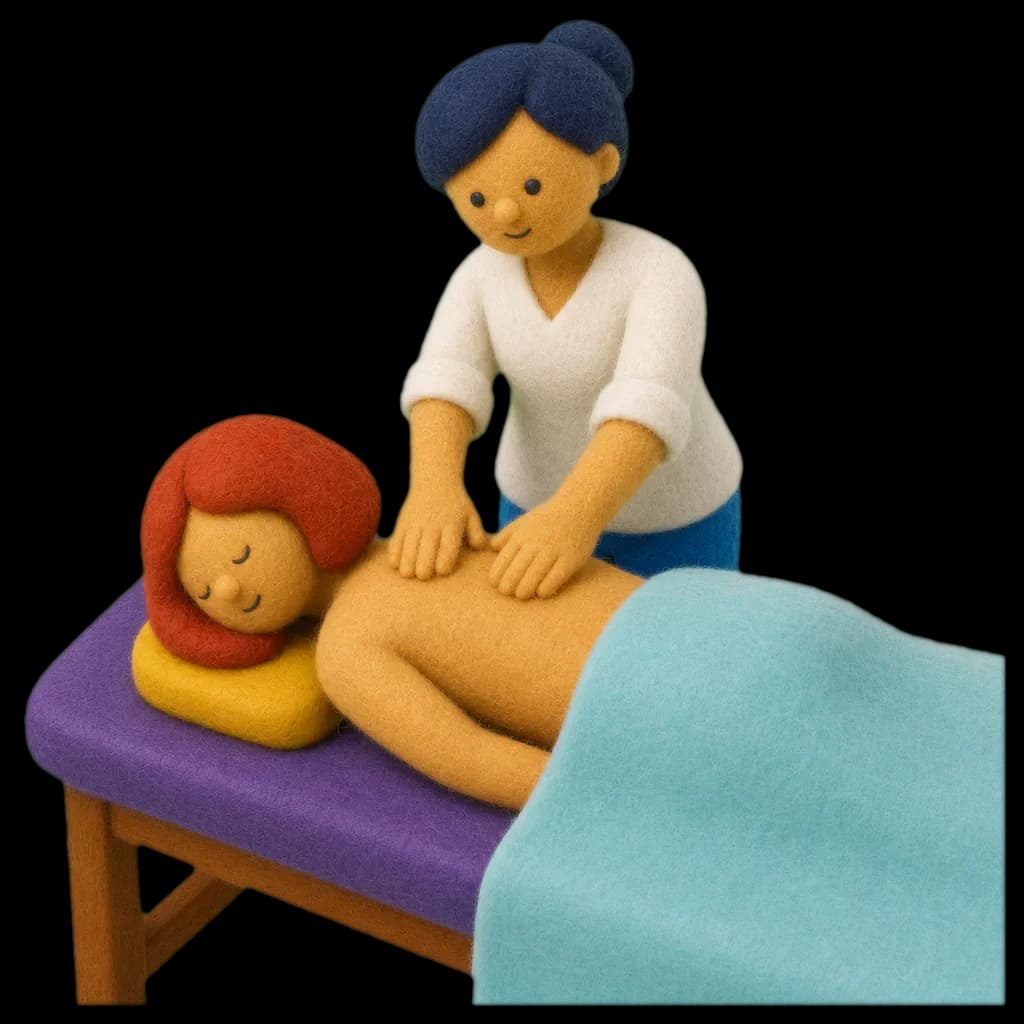
Massage (Registered)

- Stress reduction and nervous system calming support.
- Head, neck, and shoulder tension relief.
- Restorative relaxation with soothing oil-based bodywork.
- Mobility support through customized therapeutic massage techniques.


- Personalized treatment plans.
- Intuitive, body-mind approach.
- Pain and symptom relief.
- Improved functional performance.
- Patient education for wellness.
- Treats individuals of all demographics.

- Relaxation and therapeutic massage.
- Deep tissue and myofascial release.
- Cranial sacral therapy and Reiki.
- Chronic pain and injury recovery.
- Stress, anxiety, and insomnia relief.
- Personalized exercises and stretches guidance.

- Prenatal massage for clients during pregnancy.
- Craniosacral therapy for nervous system and fascial release.
- Reiki-supported relaxation and energy balancing during sessions.
- Deep tissue massage for chronic muscle tension and pain.
- Myofascial techniques for mobility and scar/restriction release.
- Treatment for migraines, tension headaches, and RSI-related pain.

- Zen Shiatsu therapy provided.
- Swedish Massage Therapy offered.
- Integrative hybrid massage treatments.
- Treats back, hip, headache, migraine pain.
- Addresses anxiety, insomnia, menstrual issues.
- Focus on repetitive strain injuries.

- Holistic treatments aligning with client goals.
- Combines massage therapy and osteopath techniques.
- Addresses musculoskeletal and neuromuscular issues.
- Pursuing further education in osteopathy.

- Light-to-medium pressure therapeutic Swedish massage.
- Upper-body trigger point therapy for muscle tension.
- Massage for chronic pain relief and injury recovery.
- Techniques promoting improved circulation and relaxation.

- Fascial release for improved posture and movement.
- Therapeutic work for head, neck, and shoulders.
- Massage techniques targeting hips and abdomen.
- Pain relief and increased ease with daily tasks.

- Myofascial release for reducing fascial tightness and pain.
- Cupping therapy to relieve muscle tension and improve circulation.
- Trigger point release for resolving localized muscle knots.
- Proprioceptive neuromuscular facilitation to restore movement and mobility.
- Swedish massage and hydrotherapy for relaxation and recovery.
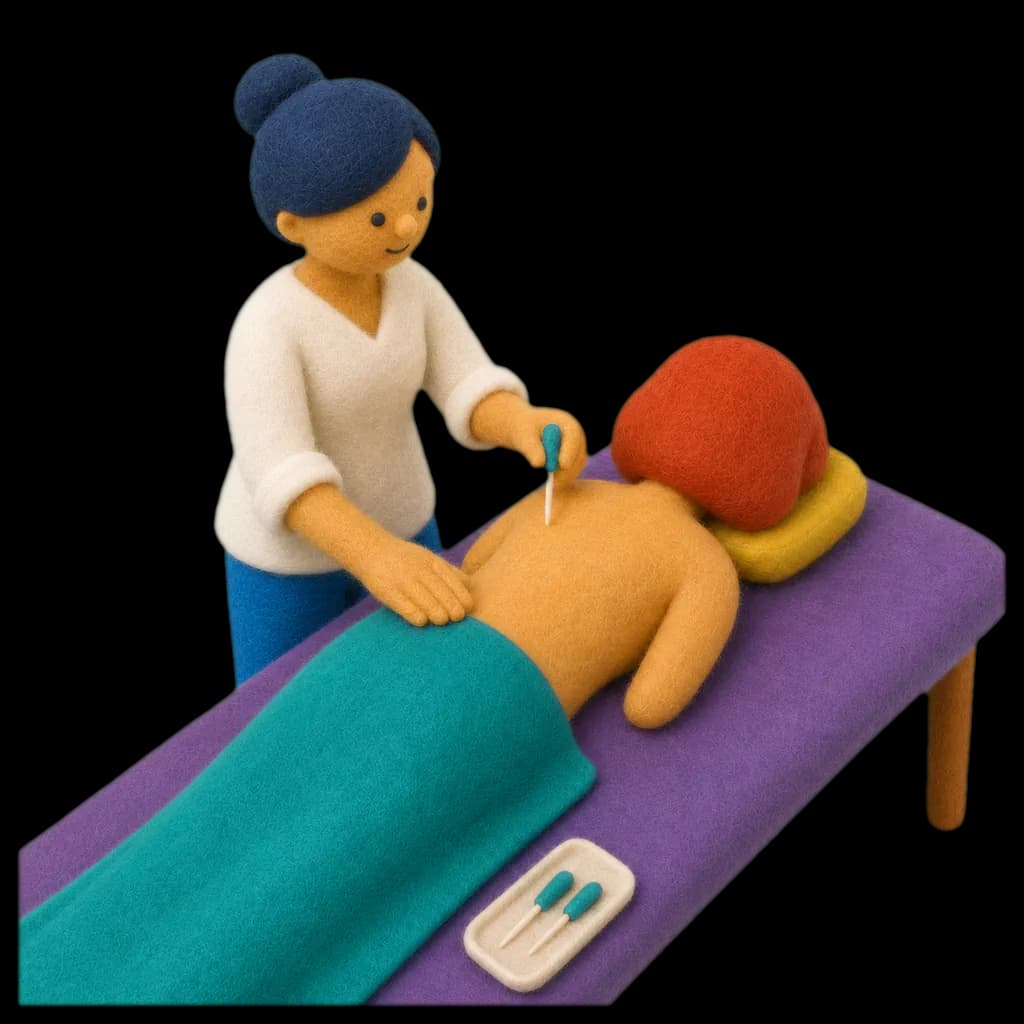
Acupuncture

- Gentle acupuncture needling for stress, anxiety, and sleep.
- Acupuncture for fertility and women's reproductive health.
- Acupuncture treatment for gastrointestinal digestion-related issues.
- Acupuncture for acute and chronic neck and low back pain.
- Cupping therapy and relaxation massage alongside needling.
Cosmetic acupuncture is a holistic facial rejuvenation treatment based on the principles of Traditional Chinese Medicine. It supports natural beauty, overall wellness, and long-term skin health. Using…

- Japanese-style acupuncture for pain relief and balance.
- Acupressure treatments for muscle tension and circulation.
- Abdominal shiatsu massage paired with acupuncture techniques.
- Anma and shiatsu manual therapies with acupuncture integration.
Acupuncture is the practice of inserting very fine needles into the body to stimulate the meridians in the body’s energetic system. Different points along the meridians are stimulated to balance the f…
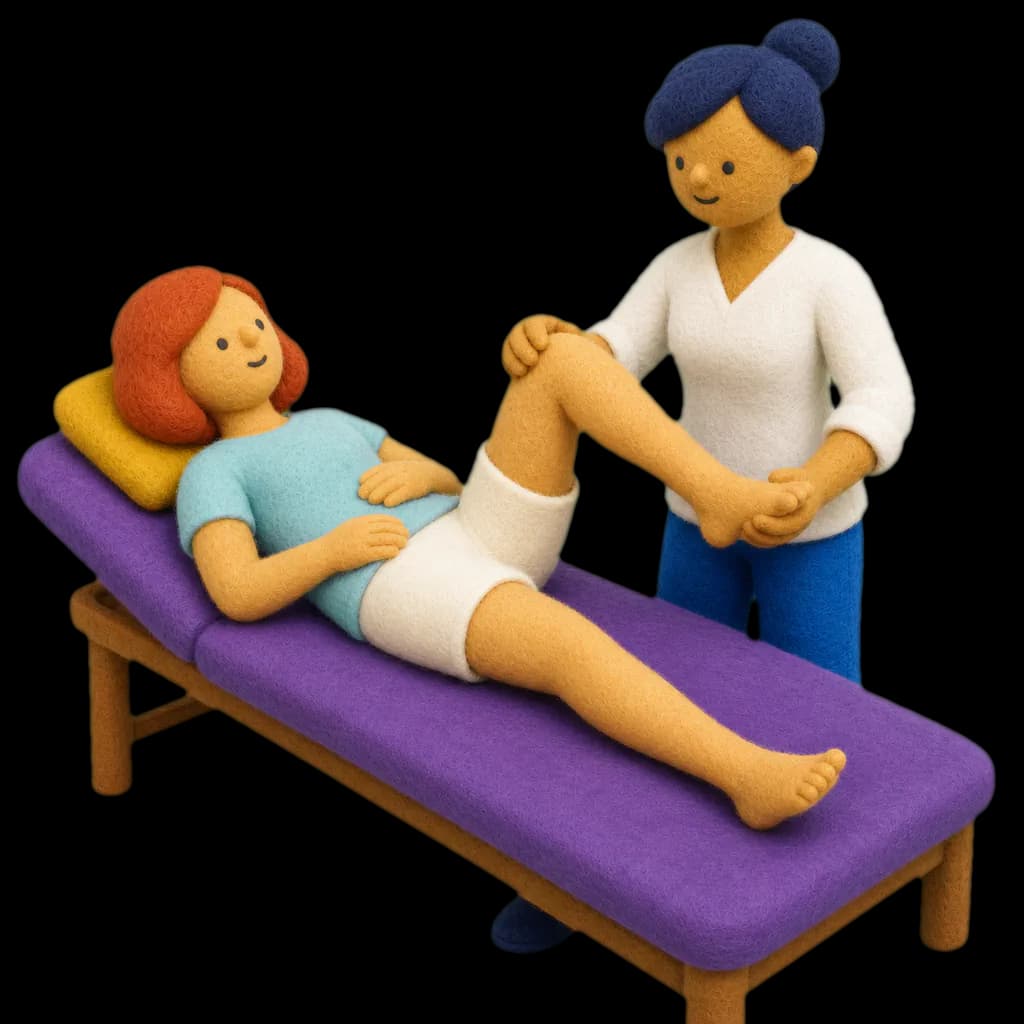
Osteopathy

- Spinal and joint manipulation for pain relief and mobility restoration.
- Fascia work and soft tissue techniques to release tension.
- Visceral osteopathy for digestive and respiratory organ mobility.
- Craniosacral therapy and neuromuscular techniques for functional balance.
- Whole-body musculoskeletal assessment and guided ultrasound palpation.
Osteopathy is a hands-on approach to manual therapy that considers the relationship between the body’s structure and its overall function. Rather than focusing on symptoms in isolation, the osteopathi…
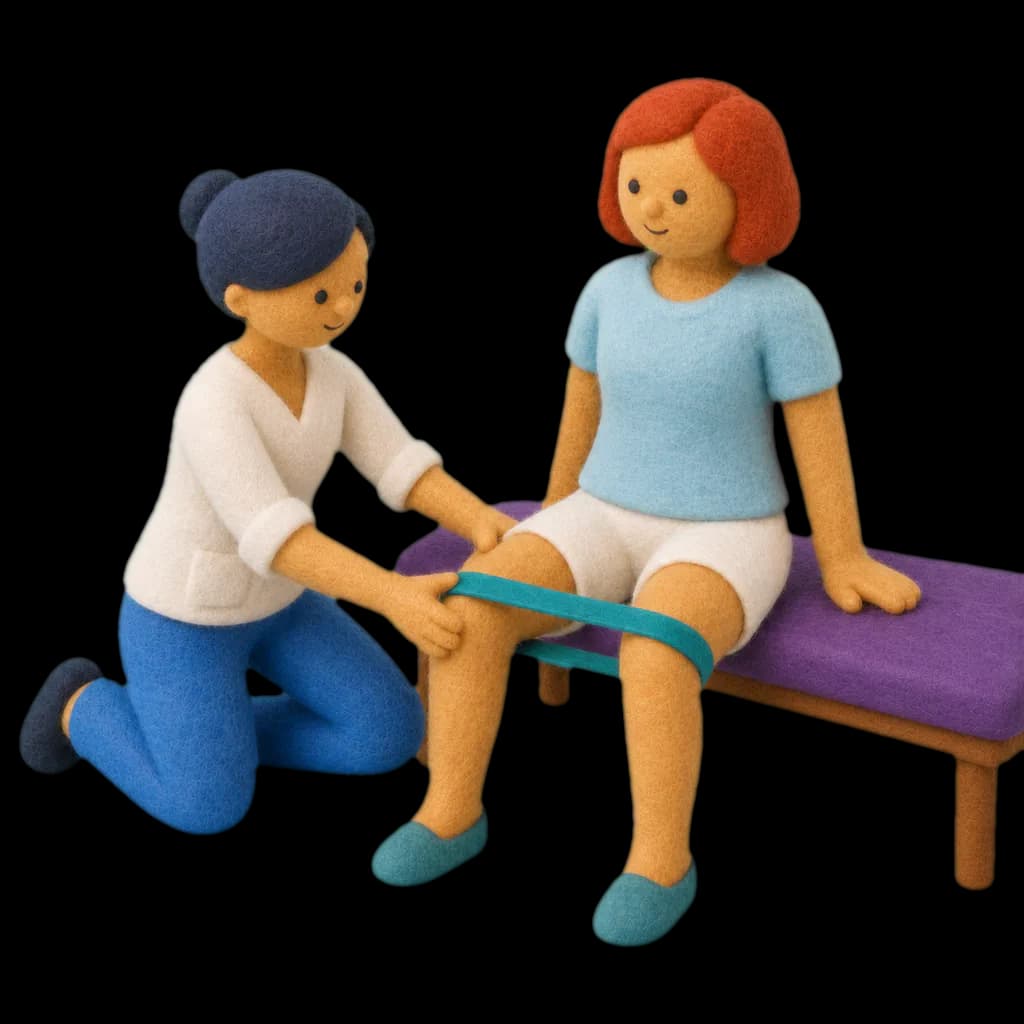
Physiotherapy

- Manual therapy for joint and soft tissue mobilization.
- Functional dry needling and acupuncture for pain relief.
- McKenzie method for back and neck pain management.
- Corrective exercises for movement retraining and rehabilitation.
- Strength and conditioning for post-surgical and athletic recovery.

At your initial visit, Robyn Rubinger, PT will review your past medical history and ask you questions about your current concerns. These questions will help Robyn determine how best to help you. Pleas…
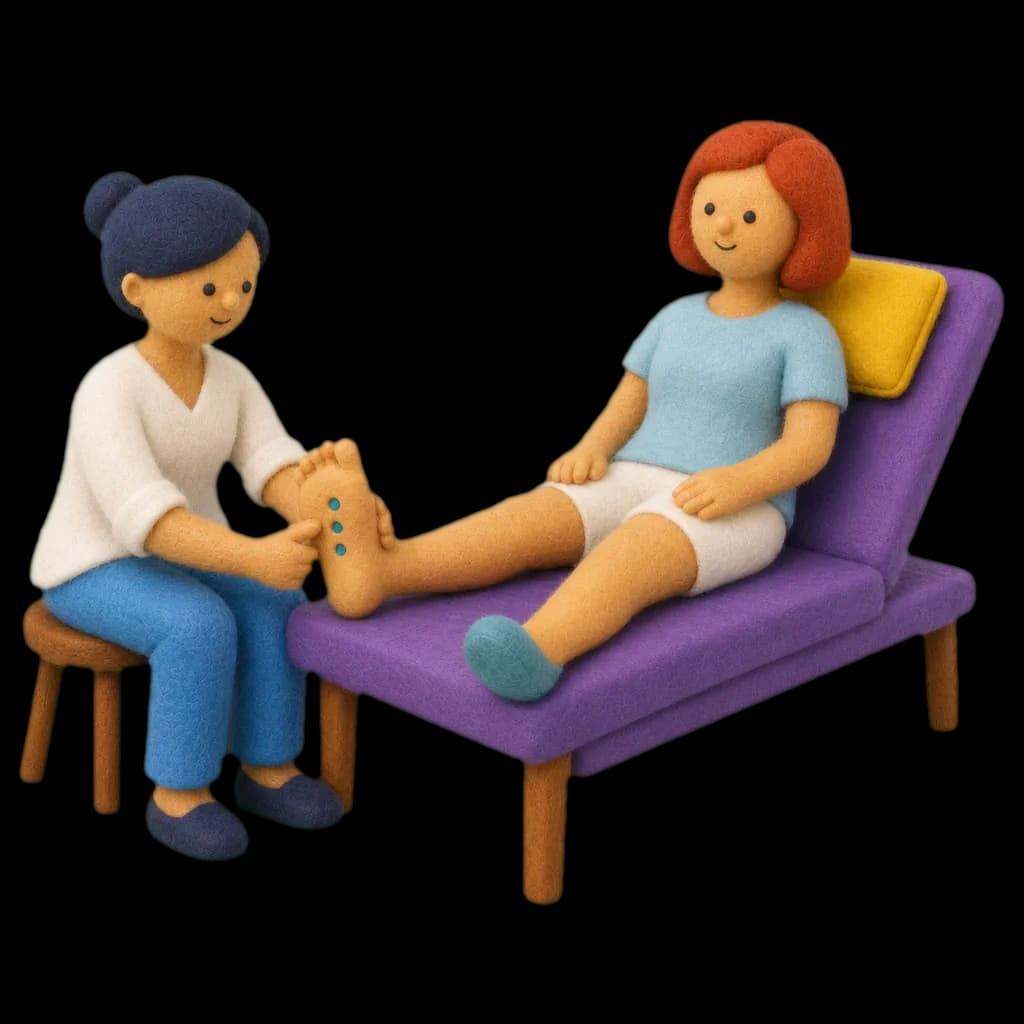
Reflexology
- Stress reduction and nervous system calming support.
- Head, neck, and shoulder tension relief.
- Restorative relaxation with soothing oil-based bodywork.
- Mobility support through customized therapeutic massage techniques.
Elevate your treatment experience with our 90-minute RMT session enhanced with Reflexology. Your massage begins with a full 60 minutes of therapeutic, tension-relieving work tailored to your body’s ne…
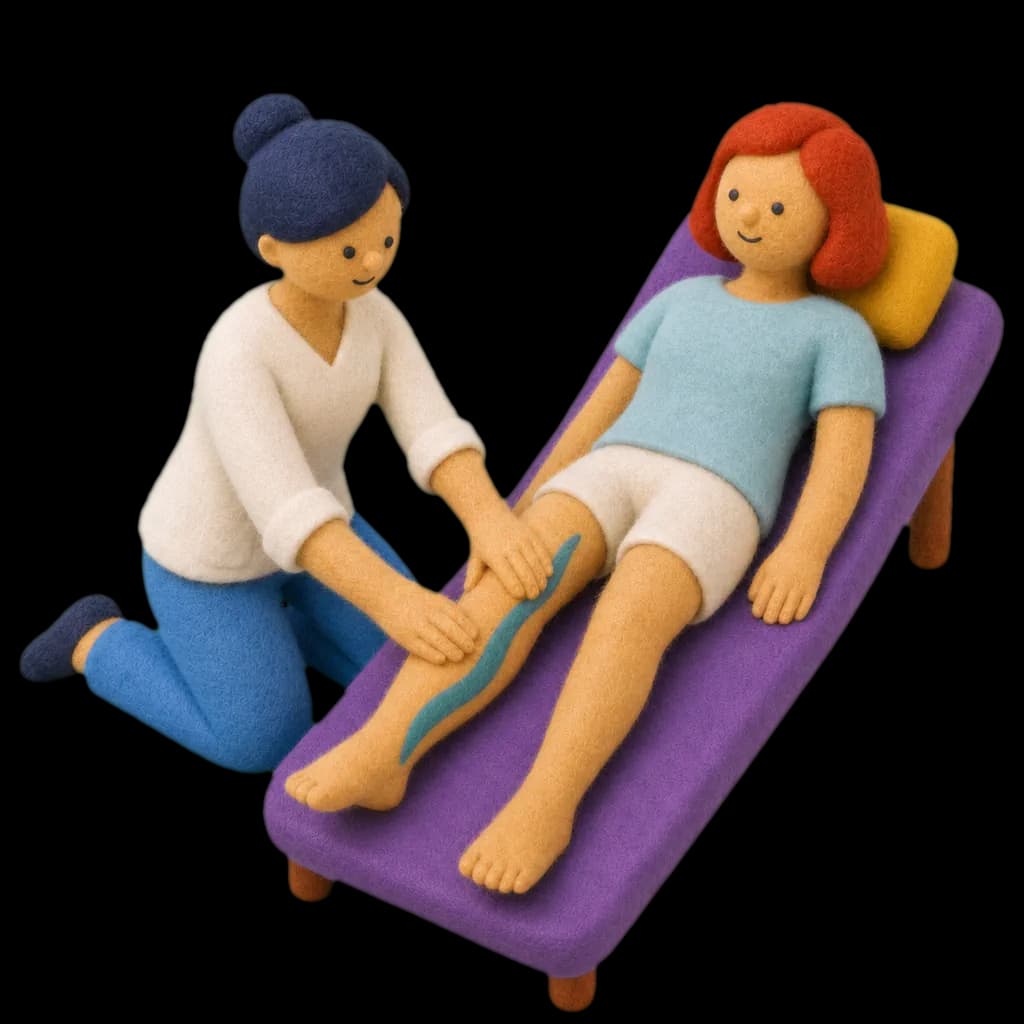
Lymphatic Drainage
- Personalized treatment plans.
- Intuitive, body-mind approach.
- Pain and symptom relief.
- Improved functional performance.
- Patient education for wellness.
- Treats individuals of all demographics.
- Relaxation and therapeutic massage.
- Deep tissue and myofascial release.
- Cranial sacral therapy and Reiki.
- Chronic pain and injury recovery.
- Stress, anxiety, and insomnia relief.
- Personalized exercises and stretches guidance.
- Prenatal massage for clients during pregnancy.
- Craniosacral therapy for nervous system and fascial release.
- Reiki-supported relaxation and energy balancing during sessions.
- Deep tissue massage for chronic muscle tension and pain.
- Myofascial techniques for mobility and scar/restriction release.
- Treatment for migraines, tension headaches, and RSI-related pain.
- Zen Shiatsu therapy provided.
- Swedish Massage Therapy offered.
- Integrative hybrid massage treatments.
- Treats back, hip, headache, migraine pain.
- Addresses anxiety, insomnia, menstrual issues.
- Focus on repetitive strain injuries.
- Light-to-medium pressure therapeutic Swedish massage.
- Upper-body trigger point therapy for muscle tension.
- Massage for chronic pain relief and injury recovery.
- Techniques promoting improved circulation and relaxation.
- Fascial release for improved posture and movement.
- Therapeutic work for head, neck, and shoulders.
- Massage techniques targeting hips and abdomen.
- Pain relief and increased ease with daily tasks.