

Clinic
Pillars of Wellness


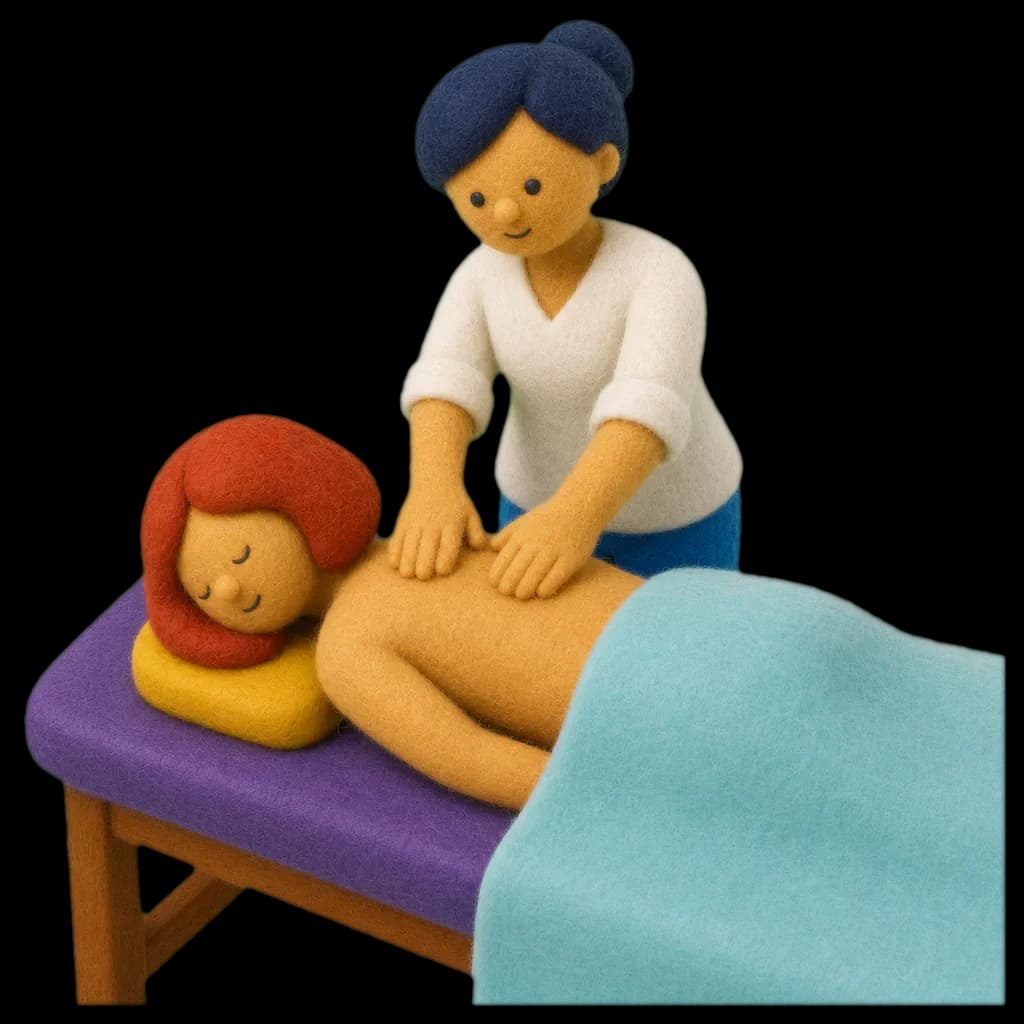
Massage (Registered)

New PatientRegisteredGeneral
Loading...

- Improving functional mobility and range of motion.
- Reducing chronic and acute musculoskeletal pain.
- Deep tissue work for persistent muscle tension.
- Trigger point therapy to release localized knots.
- Swedish massage, fascial and soft-tissue techniques.

New PatientRegisteredGeneral
Loading...

- Combines strength coaching with manual therapy.
- Integrates mindfulness and breathwork into treatments.
- Focuses on nervous system regulation techniques.
- Empowers clients to unlock innate healing.
- Blends scientific understanding and holistic wisdom.
New PatientRegisteredGeneral
Loading...
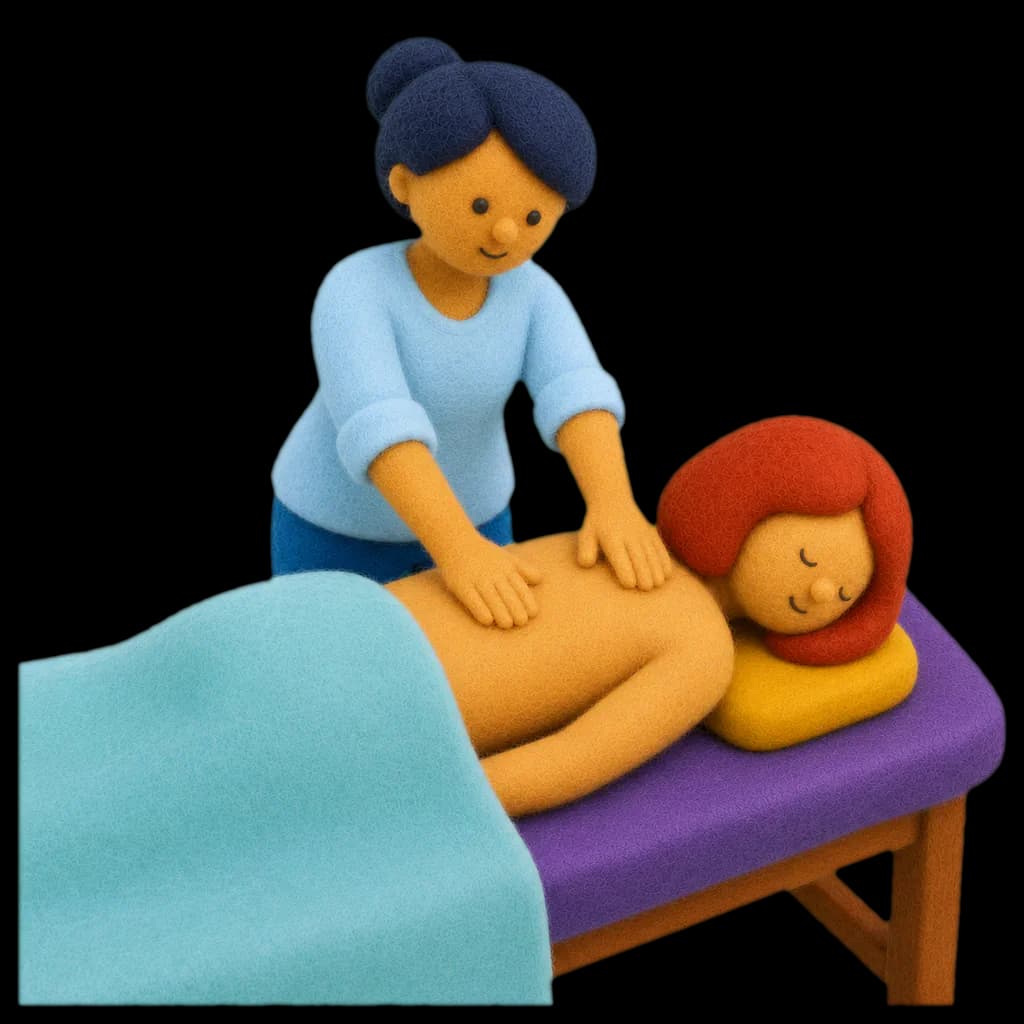
Massage

- Chronic pain relief using acupuncture point protocols.
- Acupuncture for fertility support and reproductive balance.
- Acupuncture treatments for stress, anxiety, and relaxation.
- Needling for muscle tension and musculoskeletal relief.
- Acupuncture to improve sleep and reduce insomnia.
New PatientGeneral
Loading...
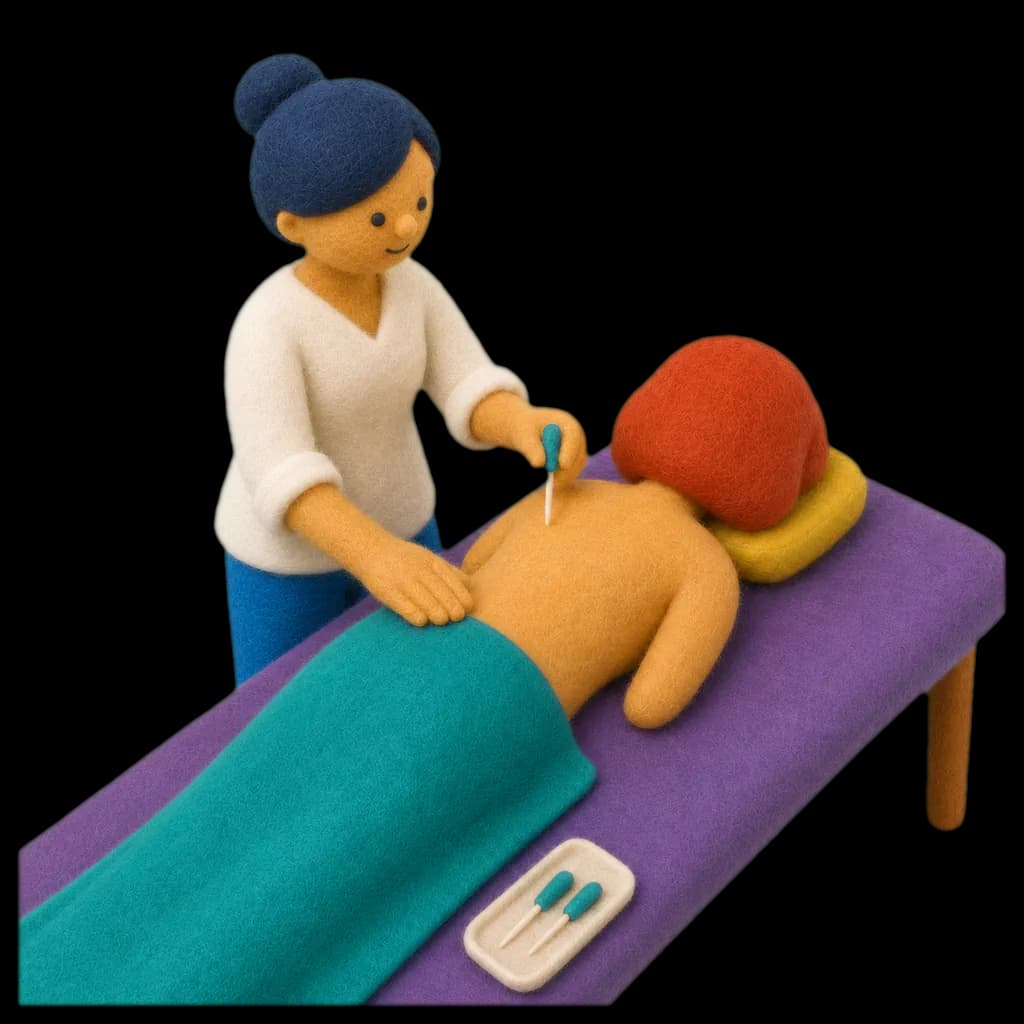
Acupuncture
- Chronic pain relief using acupuncture point protocols.
- Acupuncture for fertility support and reproductive balance.
- Acupuncture treatments for stress, anxiety, and relaxation.
- Needling for muscle tension and musculoskeletal relief.
- Acupuncture to improve sleep and reduce insomnia.
New PatientGeneralChinese Medicine
Loading...
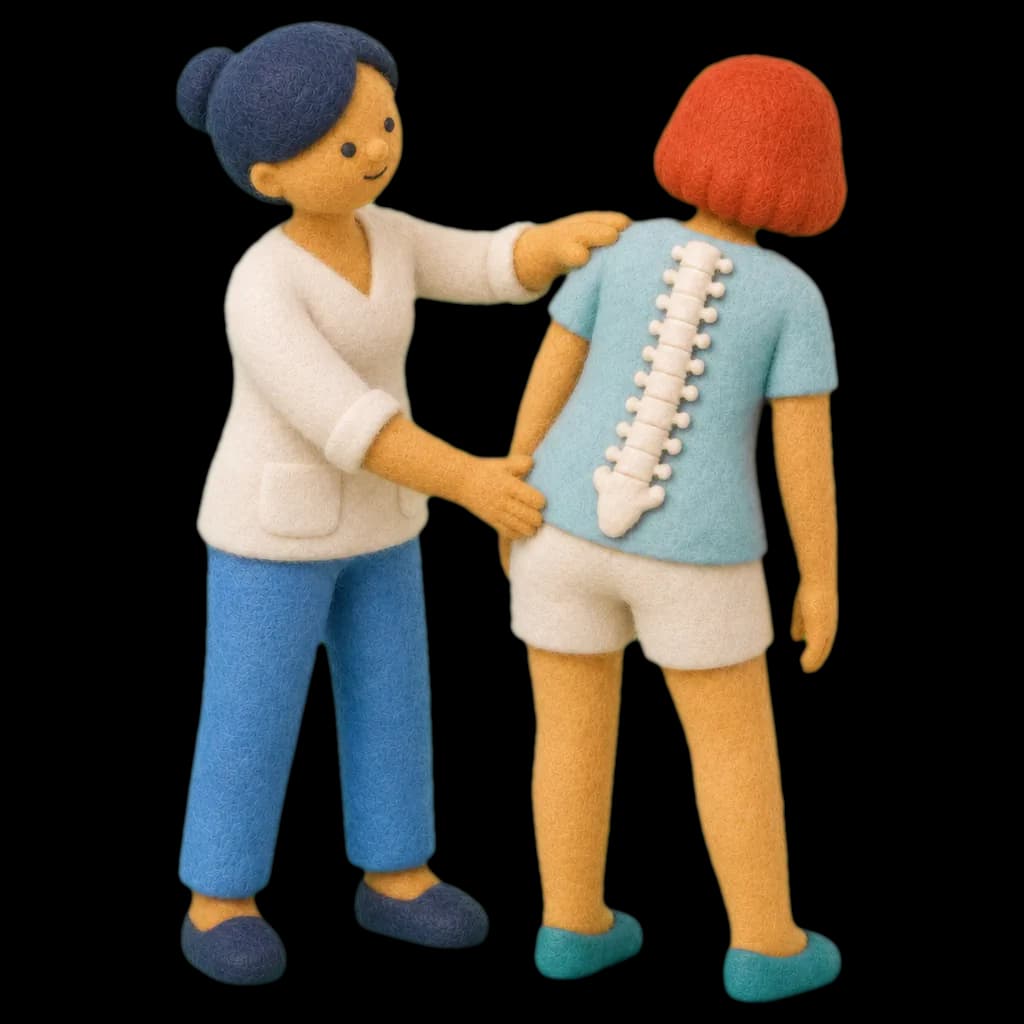
Chiropractic

- Activator instrument adjustments for precise joint mobilization.
- Pro-Adjuster and drop-table techniques for spinal alignment.
- Diversified manual adjustments for joint dysfunction and pain.
- Traction therapies for spinal decompression and nerve relief.
- Soft-tissue techniques and modalities to reduce muscle tension.
New PatientGeneral
Loading...
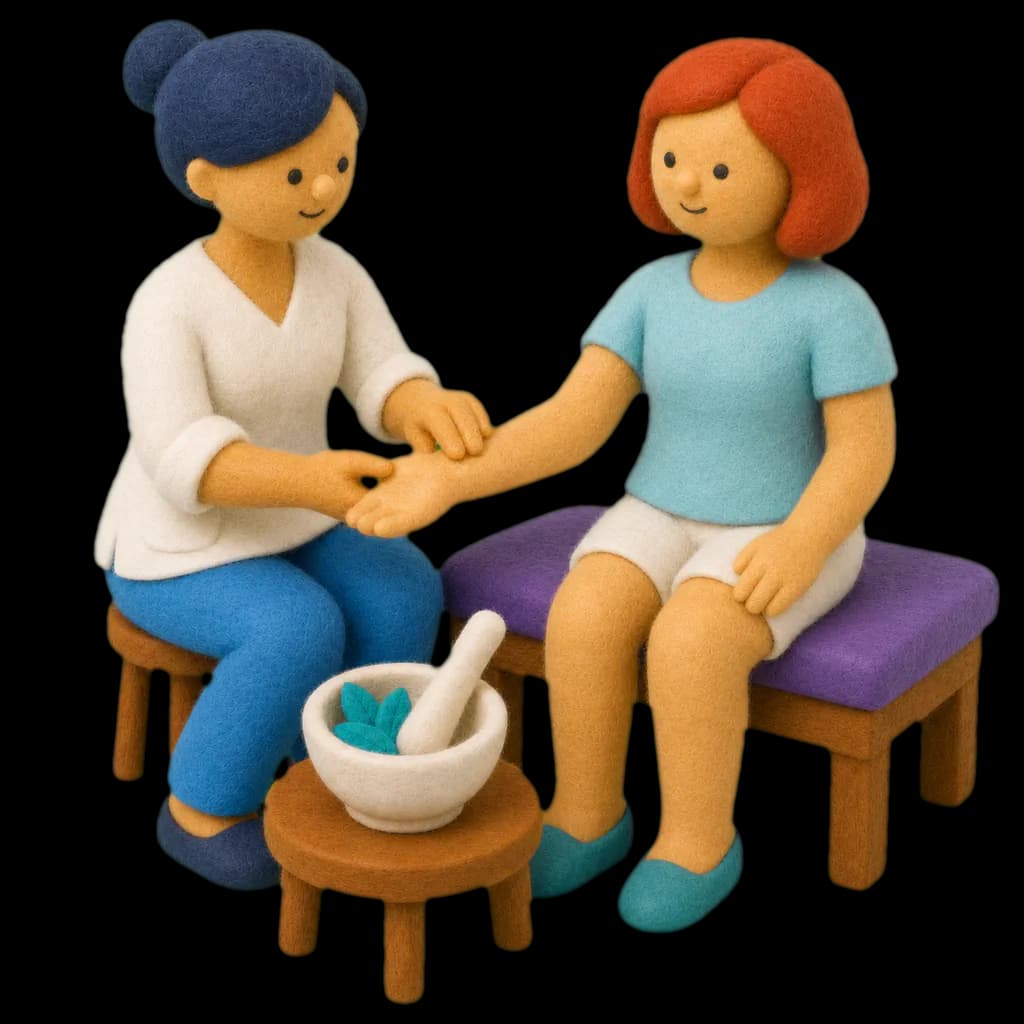
Naturopath

New PatientGeneral
Loading...
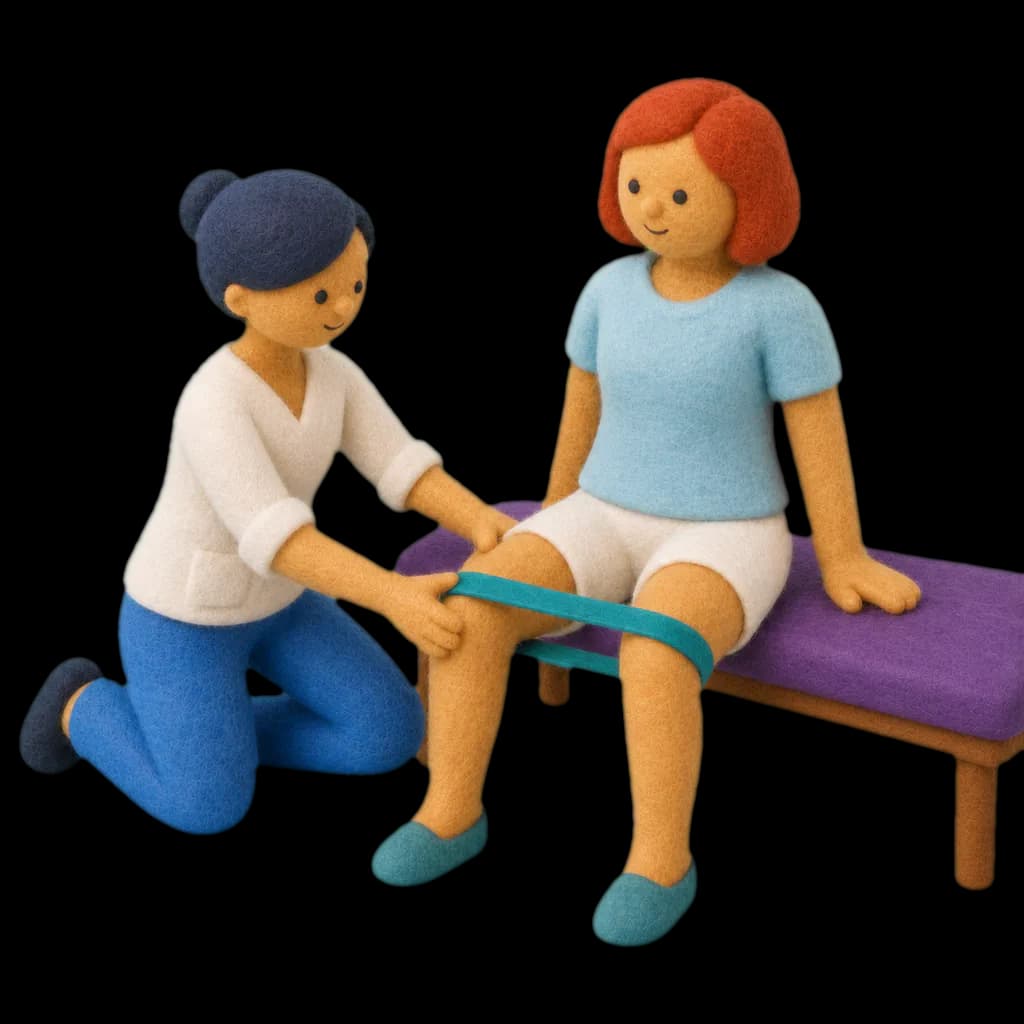
Physiotherapy

New PatientGeneral
Loading...
New PatientPelvic

New PatientGeneral
Loading...

- Pelvic health assessment and pelvic floor retraining.
- Neurological rehabilitation for stroke, MS, Parkinson’s.
- Vestibular and concussion assessment with vestibular rehab.
- Acupuncture and dry needling for musculoskeletal pain.
- Hands‑on manual therapy with exercise prescription.
New PatientGeneral
Loading...
New PatientPelvic